Circulatory System

Function & Composition Of Blood

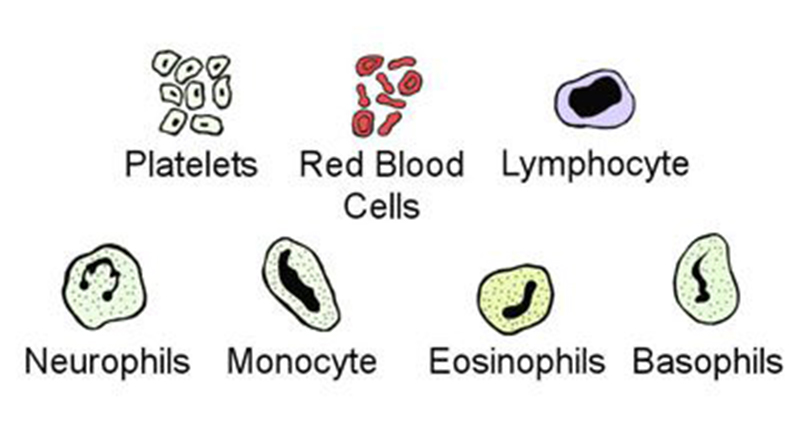
Blood functions include transportation of nutrients around the body, maintaining homeostasis, and the immune system. Blood comprises plasma, red blood cells, white blood cells, and platelets. Function of blood The following are the functions of blood: Transportation Blood carries other substances around the body inside Arteries, Veins, and Capillaries. These include gasses (Oxygen and Carbon

Function & Composition Of Blood Read More »

Arteries

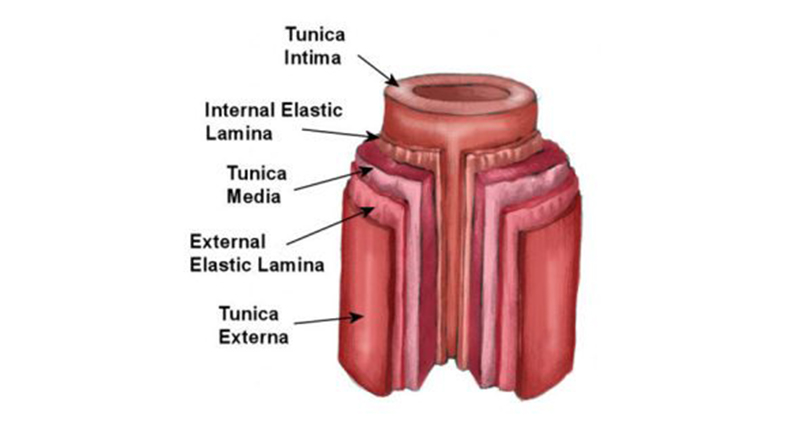
Arteries are blood vessels that carry blood away from the heart. All of which, with the exception of the pulmonary artery, carry oxygenated blood. The most widely known artery within the human body is the Aorta. This is the largest of all blood vessels and transports blood away from the left ventricle of the heart

Arteries Read More »

Capillaries

Capillaries

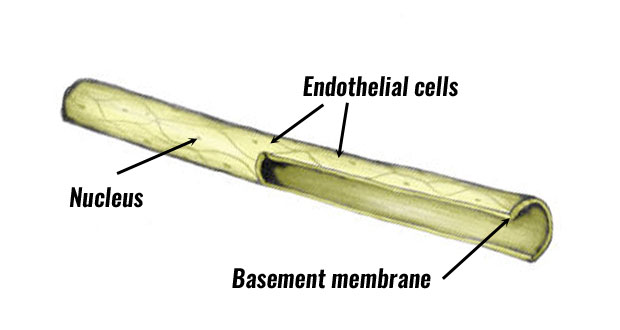
Capillaries are the smallest of all blood vessels and form the connection between veins and arteries. As arteries branch and divide into arterioles and continue to reduce in size as they reach the muscle they become capillaries. Here the capillaries form a capillary bed, which is a vast expanse of very small vessels forming a network throughout the

Capillaries Read More »

Veins & Venous Return

Veins

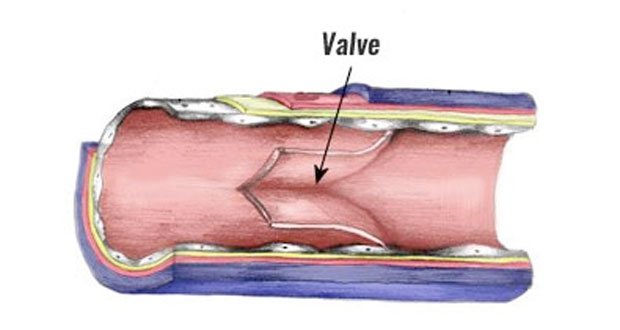
Veins are blood vessels that carry deoxygenated (or very low levels of oxygen) blood back to the heart. The exception to this rule is the pulmonary vein, which carries oxygenated blood, from the lungs, back to the heart, ready to be pumped around the rest of the body. Venous return At the tissue level, capillaries drain blood

Veins & Venous Return Read More »

The Heartbeat

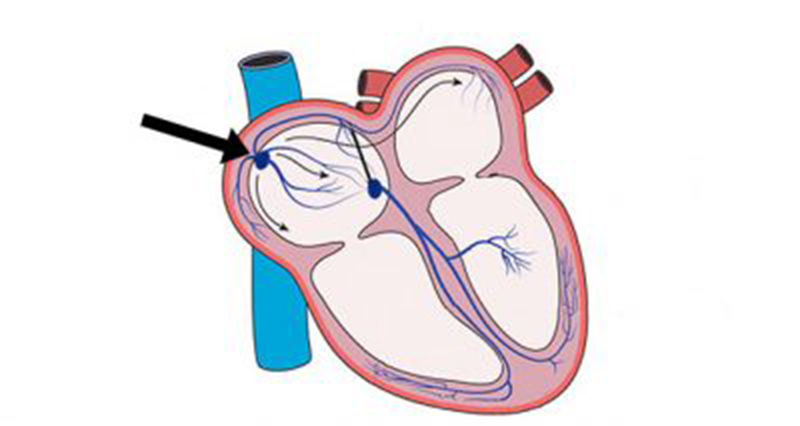
The heartbeat is caused by impulses arising from two specialised groups of cells within the heart muscle. The Sino-Atrial (SA) node, situated in the wall of the right atrium initiates the beat, and the Atrioventricular (AV) node which is positioned between the ventricles and continues to distribute the wave of impulses. The heartbeat There are

The Heartbeat Read More »

Cardiac Conduction System

cardiac conduction system

The cardiac conduction system refers to how electrical impulses enable the heart to beat. The heart is unique in that it never tires and is able to generate its own electrical impulses without the need for stimulation from the central nervous system. On average the heart beats approximately 70 beats per minute. Skeletal muscles need

Cardiac Conduction System Read More »

The Human Heart

human heart

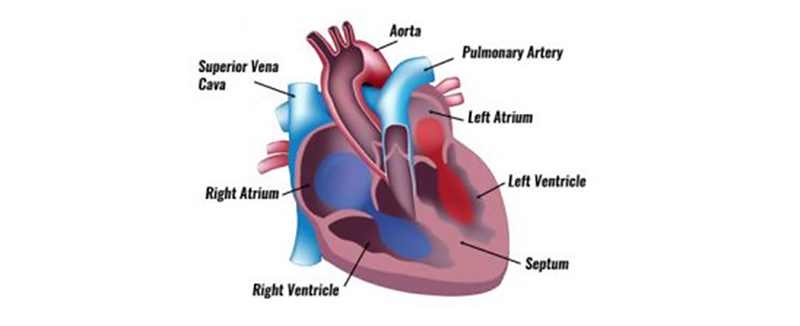
The heart is a strong, powerful organ, consisting of cardiac muscle. The heart pumps continuously, without resting and without becoming fatigued. Its function is to pump blood to the lungs and around the body. The heart is one of the key organs in the Circulatory System. Anatomy of the heart The heart consists of four chambers and

The Human Heart Read More »

Circulatory System Function

Circulatory system

The function of the circulatory system is to transport blood around the body. It consists of the heart and blood vessels. The main organ of the circulatory system is the Human Heart. The other main parts of the circulatory system include the Arteries, Arterioles, Capillaries, Venules, Veins, and Blood. The lungs also play a major part in the pulmonary circulation system. The function

Circulatory System Function Read More »

Blood Pressure Explained

Blood pressure

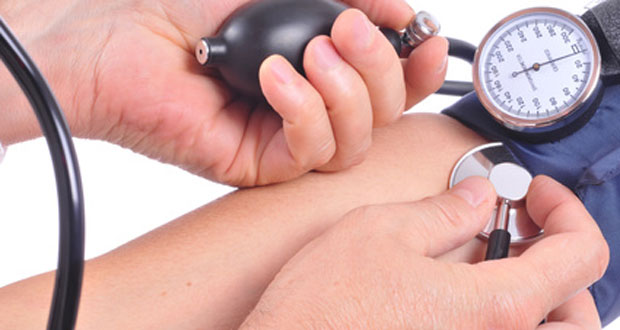
The rate and distribution of blood flow through the circulatory system are variable and related to several factors including physical activity, cardiac output (the amount of blood pumped out of the heart), and venous return, or the blood returning to the heart through the veins. What is blood pressure? Blood pressure (BP) is defined as

Blood Pressure Explained Read More »

Scroll to Top