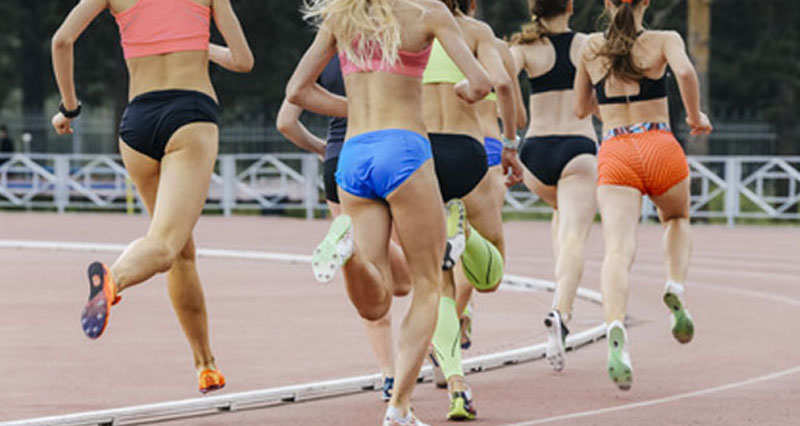
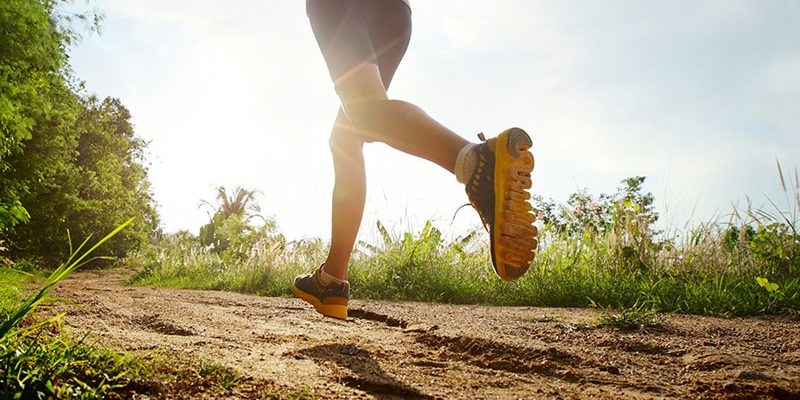
Most athletes focus on shoes, but socks are just as important. The right pair protects your feet, boosts comfort, and can even improve performance. Wearing the wrong socks increases the risk of blisters, sore spots, and fatigue. Let’s look at why choosing sport-specific socks matters and how different types compare.
Running Socks
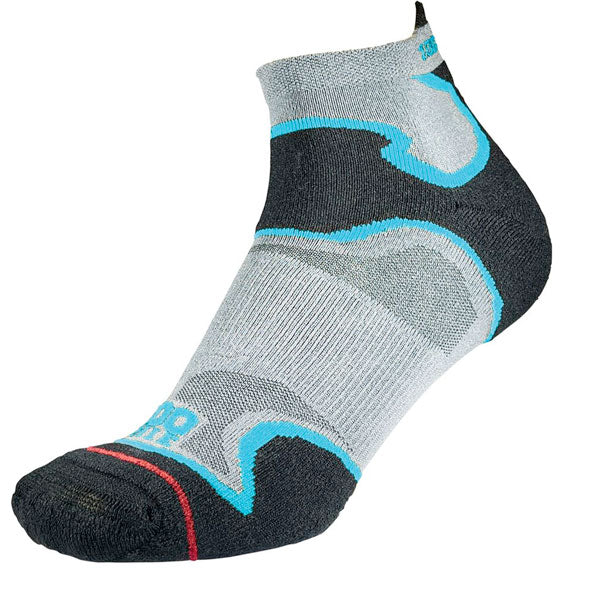
Running creates constant impact. Each step sends force through your feet, so runners need socks that reduce friction.
- Lightweight fabrics wick sweat away quickly.
- Seamless toes prevent rubbing and blisters.
- Compression zones give arch support and improve blood flow.
Running socks are usually thinner than other sports socks. They focus on breathability and comfort during long, repetitive motion.
Buy Running socks at www.1000Mile.co.uk
Walking Socks
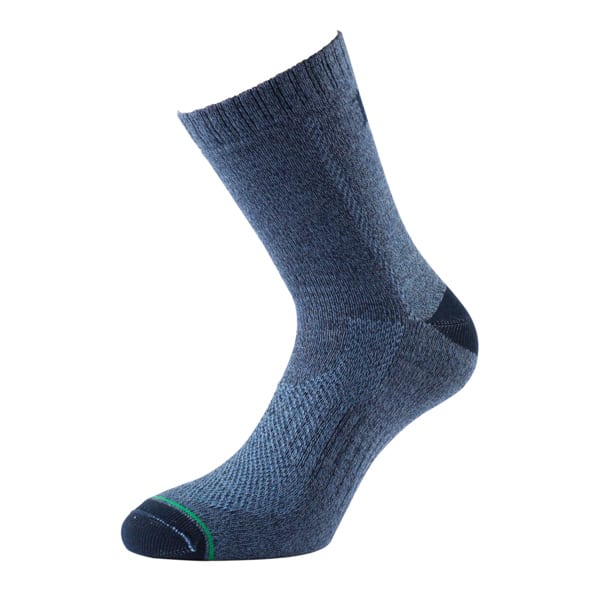
Trekking, Hiking or Walking may be lower impact than running, but long distances are often longer and certainly test endurance. Walking socks are built to protect against rubbing and heat build-up, which eventually causes blisters.
- Thicker cushioning supports the heel and ball of the foot.
- Wool or merino blends keep feet warm in cold weather and cool in summer.
- Moisture control stops dampness and reduces blister risk.
They are often a bit bulkier than running socks, with comfort as the main goal.
Buy Walking Socks at 1000Mile.co.uk
Cycling Socks
Cycling involves less impact but high intensity and tight-fitting shoes. Cyclists need socks that stay snug without bunching.
- Thin, lightweight material fits inside narrow cycling shoes.
- High breathability keeps feet cool during intense rides.
- Supportive fit prevents slipping and helps transfer power to the pedals.
Cycling socks often come in bold colours and higher lengths, but performance is all about airflow and a locked-in feel.
Buy Sports socks at 1000Mile.co.uk
Football Socks
the beautiful game of Football (soccer) demands explosive movement, constant changes of direction, and protection around the shin.
- Knee-high length covers shin guards and holds them in place.
- Elasticated grip keeps socks from sliding during play.
- Extra padding supports ankles and heels against sudden impact.
Football socks are thicker and stronger than running or cycling socks. They prioritise stability and protection over breathability.
Summary
Socks are not one-size-fits-all in sport. Running socks prevent friction, walking socks add comfort, cycling socks improve fit, and football socks give protection. Choosing the right pair for the right activity helps your feet stay healthy, reduces injuries, and lets you focus on performance.