Michael Walden

Mike is creator & CEO of TeachPE.com. He has a degree in Physical Education, Sports Science & Physics from Loughborough University, and is a qualified Teacher and Sports Injury Therapist.

Sprint Training Programs

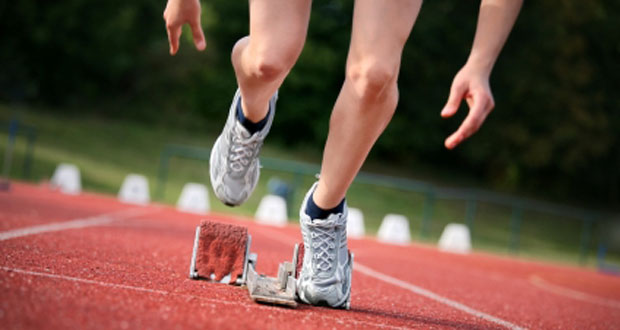
Sprint training programs - sprint start

Here we outline sprint training programs for short and long sprint races suitable for beginner, intermediate and advanced athletes. Junior 100m/200m Sprint Training Program A 52-week training programme suitable for a junior sprinter training approximately three times a week who would be aiming to run 100m at 12.2 seconds (male); 13.2 seconds (female) and 200m

Sprint Training Programs Read More »

Synovial Joints Structure

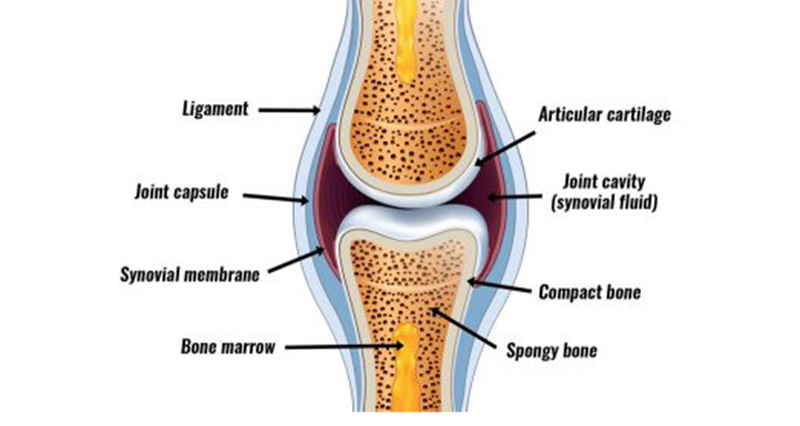
synovial joint structure

Synovial joint structure is basically the same for all freely moveable joints in the human body. It comprises ligaments, cartilage, membranes, and bursae. The definition of a joint is where two bones meet. Synovial joints are freely moveable joints, for example, the shoulder, hip, and knee. They are made up of the following: Ligaments Ligaments

Synovial Joints Structure Read More »

Rules Of Tennis

The standardisation of the rules of tennis is the responsibility of the ITF. Broadly speaking it is a very simple game to get to grips with. Here is a very basic beginners guide to the rules to help you get started: The Basics Tennis is played either 1v1 (singles) or 2v2 (doubles). The teams will be

Rules Of Tennis Read More »

Body Shapes & Somatotypes

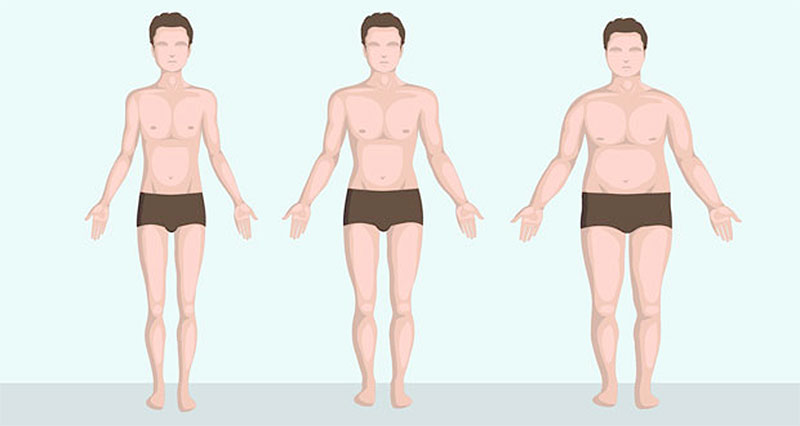
body shapes somatotypes

Somatotypes describe how we have a genetic physical predisposition to certain body shapes, fat to muscle ratio and stature. As a result, we require different training and nutritional demands. The three different body types are ectomorph, mesomorph, and endomorph. But what exactly do these terms mean? And how does it affect athletic performance and training goals?

Body Shapes & Somatotypes Read More »

Fluid Mechanics In Sport

Bernouli sailing

Fluid mechanics or fluid dynamics come into the sport a lot and covers air resistance, drag, projectiles, spin on balls, and the Bernoulli principle and lift force. Spin Spin is created by applying a force that is off-centre to the object being thrown (or kicked) at the point of release. The effects of spin are

Fluid Mechanics In Sport Read More »

Linear Motion & Biomechanics

Speed

Linear motion simply means motion in a straight line (as opposed to circular motion or rotation). In order to talk about linear motion scientifically, we need to be familiar with mass, distance, displacement, speed, velocity, and acceleration. Here we explain Newton’s laws of motion, mass, inertia, momentum, speed, velocity, distance, displacement, and graphs of motion.

Linear Motion & Biomechanics Read More »

Scroll to Top