Michael Walden

Mike is creator & CEO of TeachPE.com. He has a degree in Physical Education, Sports Science & Physics from Loughborough University, and is a qualified Teacher and Sports Injury Therapist.

Newtons Laws of Motion

Newtons laws of motion

Sir Isaac Newton stated three laws that explain the relationship between force and movement. Having a good understanding of Newton’s laws, which can be applied to sporting situations, will allow you to gain a deeper understanding of sports techniques. Newton’s first law of motion “A body continues in a state of rest or uniform velocity

Newtons Laws of Motion Read More »

Blood Pressure Explained

Blood pressure

The rate and distribution of blood flow through the circulatory system are variable and related to several factors including physical activity, cardiac output (the amount of blood pumped out of the heart), and venous return, or the blood returning to the heart through the veins. What is blood pressure? Blood pressure (BP) is defined as

Blood Pressure Explained Read More »

Types of Muscle Contraction

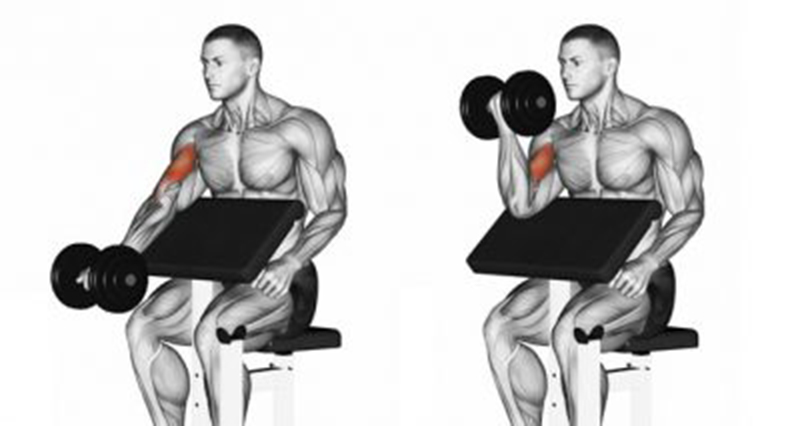
The three main types of muscle contraction during exercise are isotonic, isometric, and isokinetic. Also, we further categorise them into concentric and eccentric depending on whether the muscle shortens or lengthens when contracting. Isotonic muscle contractions Isotonic muscle contraction types are those where the muscle changes length as it contracts. The load or resistance remains

Types of Muscle Contraction Read More »

Skeletal Muscle Structure

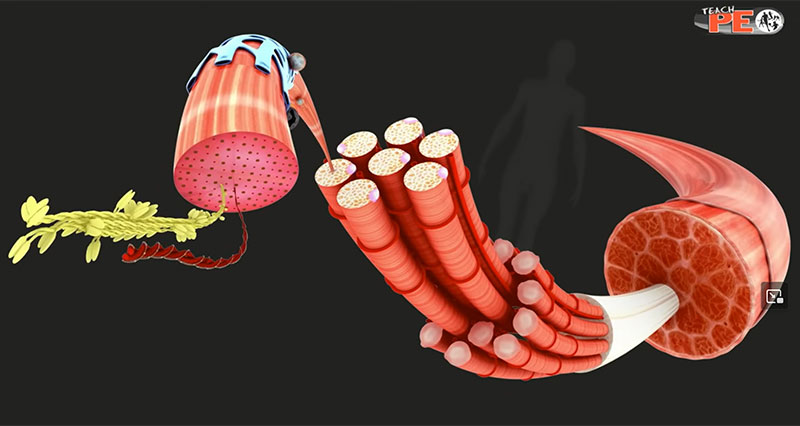
Skeletal muscle structure is the same regardless of its shape or location. Here we explain the terms you need to know to understand the structure of skeletal muscle. The structure of skeletal muscle In very simple terms, each muscle comprises bundles of muscles fibres which are made of bundles of myofibrils. Myofibrils divide along their

Skeletal Muscle Structure Read More »

What Is Overspeed Training?

Overspeed training

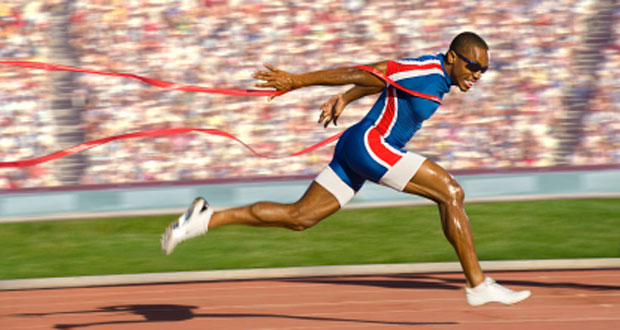
Can you really run faster than your top speed? Overspeed training uses bungee-type devices, downhill runs, strong following winds, super-fast treadmills and even car towing to allow an athlete to sprint faster than what they could do normally. Who could benefit? Somewhat obviously sprinters, long and triple jumpers and hurdlers but overspeed is applicable to

What Is Overspeed Training? Read More »

Five Signs Of Overtraining

Overtraining

Here are five signs you might be overtraining. The demands placed on talented young athletes are greater than ever with more opportunities to train and compete. Players have to balance demands from school, club, county, region and sometimes country. 1. Increased morning heart rate This is a great way of predicting how well you are

Five Signs Of Overtraining Read More »

Bones Of The Skull

Bones of the skull

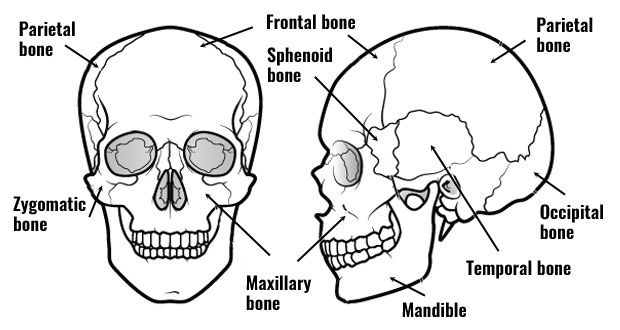
The human skull contains 22 bones. The cranium makes up most of the skill and comprises 8 bones. The other 14 form the lower front of the skull including the facial bones. Bones of the Cranium The anatomy of the skull comprises the Cranium and Facial bones. The following make up the Cranium: Frontal bone

Bones Of The Skull Read More »

Scroll to Top